







Weekly Quotes

Research
Dreaming Phase in Sleep Refreshes the Brain
VIDEO + ARTICLE: Sleep is super important for the brain, but researchers have also discovered that blood flow in the brain capillaries is increased during

Advocacy
“Blank Stares” Inspires Millions for Alzheimer’s
Raising 20 million dollars for Alzheimer’s, Jay Allen found the courage to write a song about the journey in caring for his mom’s Alzheimer’s.

Drugs
Is Leqembi Shrinking the Alzheimer’s or the Brain?
Leqembi and Kisunla are the new Alzheimer’s immunotherapies. A loss of brain volume associated with these immunotherapies may be caused by the removal of amyloid plaques, rather than the loss of neurons or brain tissue. A new study sheds light on what’s going on.
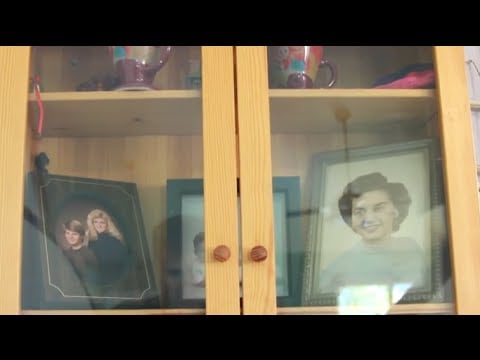
Please be very careful hanging these on the walls. My loved one had to get nine stitches on his forehead from walking into one. Two other times he suffered two black eyes from this type of box that juts out from the wall. The Care Center had placed them all along the walls in the hallway that the residents frequently paced along. Hanging it over a dresser may help. Please choose your spot very carefully.
I agree my Husband would probably break it.I have to keep everything put up that can hurt him.I sure font want a glass cabinet.
It's easy to make a memory box without glass.
Why on earth would you create something like this behind glass? Why not keep these items in a basket or open box? Lovely idea, but this implementation isn't really practical.
If you look at the various cabinets below the video offered by Amazon, you can see that half of them use no glass (in the lower two rows). The glass is an option for situations where it is appropriate, but you can certainly do a beautiful memory box that has no glass whatsoever. Best of luck.
It’s nice to have these things on display in a way that’s easy for everyone to see. A person living with dementia may not be able to hold on to things so easily. A care person’s hands are usually full or busy.
If the objects are in a box then the resident has to go and pull them out, or ask someone else to, or just wait until someone finally does. If on display they can see their special memories all the time. It’s self-serve!
Of course, the kind of display has to work for each person’s situation and the video shows options.
Great idea if the person with dementia doesn't tear them apart, as it happed at my house.